
Keeping Your Garden Healthy in Sydney’s Humid Weather
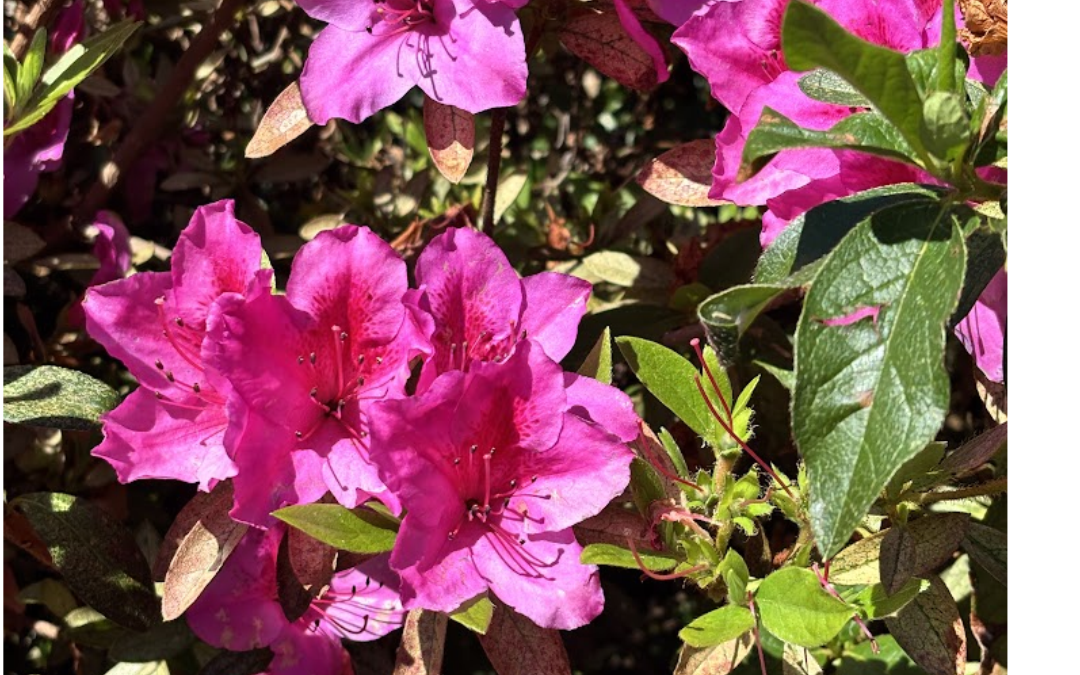
Azaleas are a popular choice for gardens across Sydney, providing beautiful seasonal colour and attractive evergreen foliage. However, as we move through spring, warmer temperatures and increased humidity can create conditions that encourage fungal diseases and other plant health issues. With the right care and a little seasonal maintenance, azaleas can remain healthy, vibrant and looking their best.
How Does Humid Spring Weather Affect Azaleas?
Sydney’s humid spring conditions can increase the risk of fungal problems, particularly when moisture remains on leaves and flowers for extended periods. Gardeners may notice brown or spotted leaves, discoloured flowers, premature petal drop or a general decline in plant appearance.
One common issue is azalea petal blight, which causes flowers to develop pale or brown spots before turning brown and collapsing. Leaf spot diseases can also appear as dark or irregular marks on foliage. In addition, warm, humid conditions can encourage pests such as lace bugs, which may cause leaves to develop a pale, mottled or silvery appearance.
Not every change in an azalea’s appearance is caused by humidity alone. Poor drainage, inconsistent watering, unsuitable soil pH and excessive direct sunlight can also contribute to plant stress. Identifying the underlying cause is essential to choosing the right treatment.
Best Practices for Azalea Care
Azaleas generally perform best in acidic, well-drained soil with consistent moisture. Their shallow root systems are sensitive to drying out, so applying a layer of organic mulch can help retain moisture, regulate soil temperature and protect the roots during warmer weather. Keep mulch slightly clear of the main stems to prevent excess moisture from accumulating around the base of the plant.
Positioning is equally important. Most azaleas prefer morning sun or filtered light, with protection from harsh afternoon sun, particularly during warmer periods. Water deeply when needed, ideally at the base of the plant in the morning, rather than regularly wetting the foliage. Avoid overwatering, as waterlogged soil can lead to root problems and further stress the plant.
Good airflow is another important factor during humid weather. Where plants have become overcrowded, light, selective pruning after flowering can help improve air circulation. Avoid heavy pruning at the wrong time of year, as many azaleas begin developing the flower buds for the following season soon after flowering.
Managing Fungal Issues and Maintaining Plant Health
Regular garden inspections can help identify problems before they become widespread. Look for spotted or browning leaves, damaged flowers, unusual leaf discolouration and signs of insect activity. Remove affected flowers, fallen leaves and other plant debris, and dispose of diseased material appropriately rather than leaving it beneath the plant.
If fungal disease is suspected, improving airflow, reducing prolonged leaf wetness and correcting drainage issues should be the first priorities. Where necessary, an appropriate fungicide may help manage certain diseases, but treatment should be selected according to the specific problem and used in accordance with label directions.
Azaleas also require suitable soil conditions to absorb nutrients effectively. They prefer acidic soil, so avoid applying lime or other products that raise soil pH unless a soil test indicates it is necessary. If foliage is yellowing, investigate the soil pH, drainage and root health before assuming the plant needs additional fertiliser.
A Little Seasonal Maintenance Goes a Long Way
Spring is an ideal time to assess the health of azaleas throughout your garden. Consistent watering, appropriate mulching, good drainage and early identification of pests and diseases can make a significant difference to their appearance and long-term performance.
At Solid Ground Landscaping, we understand the importance of proactive garden maintenance and seasonal plant care. By identifying potential issues early and providing the right growing conditions, we help keep landscaped gardens healthy, attractive and ready to thrive throughout the changing seasons.
Recent Comments